Participation contextMore of the basket is participatingBroad participation means more constituents share the move, but it does not guarantee continuation.



Global index benchmarks
Trade indices.See the whole market.
Explore Index CFDs across the US, Europe and Asia on MT4 or MT5, with clear context on composition, sessions, pricing and risk.
Product availability, symbols, reference markets, dividend adjustments, trading hours, margin and eligibility vary by entity and instrument. Confirm our current product schedule and specification before trading.
Global benchmark lensIllustrative context
Normalised illustrative indexSP500
+0.64%Weighting methodMarket-cap weighted lens
Illustrative only—not a live price or confirmation of availability. Check current terms before trading.
Index exposureOne benchmark position
Multiple companiesWeights shape the result
Global sessionsMarket hours vary
Risk visibleLeverage, gaps, financing
Start learning
Understand the benchmark before you trade it.
Move from foundations to costs, platforms and risk through one clear Index CFD learning path.
Index atlas
Find the benchmark. Understand the market.
Explore common index references by region and compare their market lens, construction and major influences. Final availability, symbols and specifications follow our approved product schedule.
Market names, product symbols, hours and specifications follow our current product schedule. Holidays, maintenance windows and platform conditions can change; confirm them before trading.
Index CFDs, clearly explained
Companies form the benchmark. An Index CFD follows its price movement.
An index is a calculated market benchmark built under defined rules. An Index CFD is a derivative linked to changes in that reference price; it does not give you ownership of the index or its constituent shares.
Continue to market breadthSelected stage
Eligible companies
Companies that satisfy defined eligibility rules form the candidate universe.
Index methodologies are set by their providers and can change over time. This is a general educational illustration.
Market breadth lab
The headline can rise while participation narrows.
Compare three synthetic scenarios to see how a headline move can be carried by very different numbers of constituents. Breadth is context—not a forecast.
Synthetic headline move+1.00%Advancing constituents78%
All values are synthetic learning data and do not represent a live index, constituents or RG product.

Composition lensBroad
- Sector structure
- Multi-sector mix
- Regional context
- Wider economic lens
- Weighting character
- Distributed influence
Index character
Every benchmark has a different shape.
Sector mix, constituent count, concentration, regional revenues and weighting methods can make indices respond differently to the same event.
Global session hand-off
Markets open in sequence. Risk can travel with them.
Choose a time zone and reference market to view an indicative underlying cash-market window. RG CFD hours can differ and must be confirmed in the specification.

Selected reference marketSP500 · New YorkUnderlying market lens14:30–21:00 UTCRG product hoursConfirm the current specification
Times are general educational illustrations and can change with daylight saving, holidays, special closures and source conventions.
RG Learn · Market analysis What a Session Open Changes in Live Markets Continue with a practical look at how participation, liquidity and execution conditions can change around the open. Read analysisMany forces, one benchmarkRates and inflation can reshape valuation, financing conditions and sector leadership.
Market forces
One benchmark.Many forces.
Select a lens to see how it can transmit through earnings, weights, currencies or sentiment. No single factor reliably predicts direction.
RG Learn · Execution insight Why Active Markets Can Still Feel Harder to Fill Explore why higher activity does not always mean easier execution. Read articleExposure, margin & outcome
One index position. Three layers of context.
Start with instrument-level margin context, then compare both gross outcomes and how requested and final fill prices can differ.
01 · Choose a product and direction
Margin conceptMargin supports leveraged exposure.
- Calculation basis
- Instrument-specific
- Can vary by
- Account + timing
- Final confirmation
- Live platform
This page does not present a universal margin formula. Margin is not a fee or maximum possible loss; confirm the current requirement before trading.
Illustrative long position
ProductSP500
Reference start5,000.00
Notional exposureUS$10,000
Price move%
Approximate gross result for the selected direction.
Approximate gross result for the selected direction.
02 · Execution and total-cost contextYour requested price may differ from your fill
Session opens, data, events, liquidity and price gaps can affect spreads and the final fill. Slippage can be favourable, adverse or zero.
- Floating spread
- Overnight financing
- Dividend & contract adjustments
- Conversion & other charges
Price difference+0.50
Exposure effect−US$1.00
Direction resultAdverse
Educational illustration—not an order, margin or fill forecast. Spread, financing, adjustments, slippage, conversion, tax and other costs are excluded.
Account pricing preview
See how Index CFD pricing is structured.
Compare the Standard, ECN and Pro account routes currently available for Index CFDs, then check spreads, financing, adjustments and applicable terms on our full pricing page.
01SPREAD-LED

ACCOUNT ROUTE
Standard
Spread-led access to the current index range.
INDEX SPREADFloatingSchedule referenceCOMMISSIONScheduleConfirm before trading
MINIMUM DEPOSITUS$100LEVERAGE UP TOBy productPLATFORMSMT4 + MT5MARKET SCOPEIndices
- Minimum volume 0.1
- Contract size varies by product
02RAW + COMMISSION

ACCOUNT ROUTE
ECN
Current index costs follow the published schedule.
INDEX SPREADFloatingSchedule referenceCOMMISSIONScheduleConfirm before trading
MINIMUM DEPOSITUS$1,000LEVERAGE UP TOBy productPLATFORMSMT4 + MT5MARKET SCOPEIndices
- Liquidity and time affect spreads
- Financing and adjustments may apply
03BY APPLICATION

ACCOUNT ROUTE
Pro
Index conditions are confirmed through manual review.
INDEX PRICINGReviewedCurrent scheduleCOMMISSIONConfirmedAfter manual review
MINIMUM DEPOSITUS$3,000LEVERAGE UP TOBy productPLATFORMSMT4 + MT5MARKET SCOPEIndices
- Manual review from the first Pro account
- Final fees follow current approved terms
Costs that may applyReview the full cost before placing a trade.
- Spread
- Overnight financing
- Dividend & contract adjustments
- Conversion & other charges
Schedule spread figures are references—not live, typical or guaranteed pricing. Final conditions depend on instrument, account, entity and jurisdiction.
Trading platforms
Choose your platform. Keep global benchmarks in view.
Compare MT4 and MT5 for Index CFDs across supported desktop and mobile devices, then choose from the options available to your account after registration.
MT5 · Windows desktopA multi-market analysis and order workspace
Use charts, watchlists and order tools to manage the Index CFD workflow on a supported Windows device.
Need to use MetaTrader on a Mac?
RG does not currently provide WebTrader or a native macOS application. A Mac may run the Windows desktop application through a separately installed Windows environment or third-party virtualisation software; compatibility and performance are not guaranteed.
Platform, device, product and feature availability depends on account route, entity, jurisdiction and device.

MT5 · DesktopSee, analyse and manage from a full desktop workspace.
Another way to approach Indices
Trade indices. See providerswith RockCopy.
You can trade Index CFDs directly through MT4 or MT5. Where available, RockCopy offers a separate way to review strategy providers whose activity may include index markets. Compare their history, drawdown, index exposure, controls and costs before you decide whether to allocate funds.
- 01Review the recordPeriod, drawdown and index activity
- 02Choose your controlsAllocation and risk parameters
- 03Keep reviewingPause or stop when you need to

Illustrative providerMina Park · Global Index BalanceMulti-market strategy with an indices focus
Illustrative
12M mock return
Followers
- Active days
- Max drawdown
- Risk label
- Medium
Illustrative interface, not a real provider or recommendation. Past performance does not guarantee future results.
Index-specific risk
A diversified benchmark does not remove trading risk.
Index CFDs are leveraged derivatives. Concentration inside the benchmark, market gaps, reference markets, adjustments and financing can all affect the outcome.
Leverage & margin
Leverage enables exposure larger than margin committed and magnifies gains and losses relative to supporting funds.
Market gaps & events
Data, earnings, policy and reopening after a closure can produce fast moves or gaps.
Spread, liquidity & slippage
Fast or thin markets can change available quotes and final execution.
Concentration & sector risk
A small group of highly weighted companies or sectors can dominate the benchmark move.
Currency & reference markets
Quote currency, regional context and underlying exchange hours can affect the product.
Financing, dividends & adjustments
Position financing, dividend or other contract adjustments may apply.
A stop instruction does not guarantee execution at the selected level. Check the benchmark information, current product specification and applicable terms before trading.
Continue in RG Learn
Visit the Learn Hub
Build the context before you trade.
Market analysis
What a Session Open Changes in Live Markets
See how participation, liquidity and execution conditions can change around a market open.
Continue learning Market insight
Why Active Markets Can Still Feel Harder to Fill
See how liquidity, order size and market speed can affect execution.
Continue learning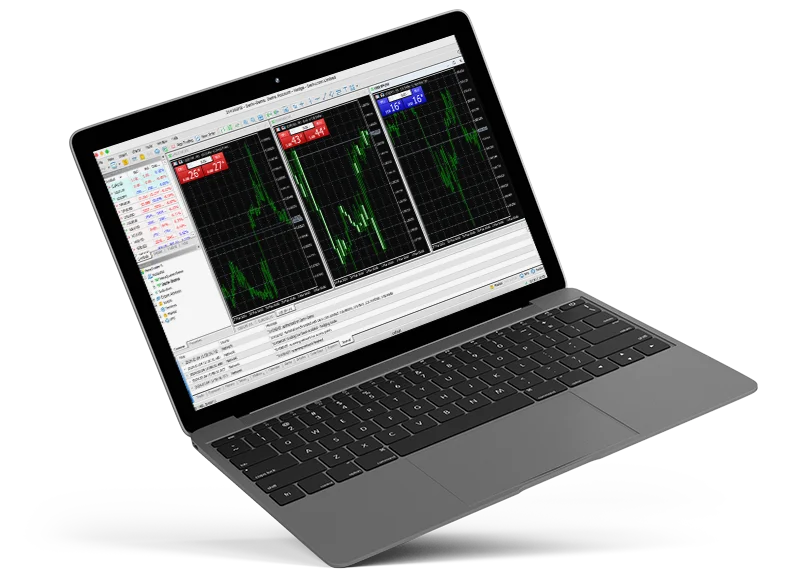 Market insight
What Market Depth Can—and Cannot—Tell You
Understand what order-book information can show and where its limits remain.
Continue learning01 What is an Index CFD?
An Index CFD is a derivative linked to changes in an applicable equity-index reference price. It provides price exposure without transferring ownership of the constituent shares.
02 Do I own the companies inside the index?
No. An Index CFD does not provide constituent shares, voting rights or direct shareholder entitlements. Product terms may provide for adjustments around some dividend or corporate events, but these are not shareholder dividends.
03 Which Index CFDs can I trade with RG?
The requested focus includes US500, USTEC, US30, DAX40, FTSE100, Nikkei225 and HK50. Actual availability, benchmark mapping, symbols and specifications must be confirmed against RG’s current approved product schedule.
04 Why can an Index CFD quote differ from the headline index?
The published index and the CFD are different instruments. Product hours, the selected reference market, spreads, financing, dividends, futures basis or rollover treatment may affect the CFD quote. Review the applicable RG specification.
05 Can I trade an Index CFD when the underlying cash market is closed?
It depends on the instrument. Some reference or derivatives markets may operate beyond the underlying cash session, but RG trading hours, breaks, holidays and availability must be confirmed in the current product specification.
06 What costs and risks may apply?
Applicable costs may include spread, commission, overnight financing, dividend or rollover adjustments and currency conversion. Index CFDs also involve leverage, gap, liquidity and execution risk. Actual terms must be confirmed before trading.
Ready for your next move?
See the weight. Read the benchmark.
Start a live application or learn the platform first through a demo account.
Content review
Reviewed by RG Product & Compliance. Last reviewed: 8 Sep 2026.